Developer product adoption at tech events
Sign-ups are not adoption. How to measure developer product adoption at tech events before, during and after, and which event formats actually move it.
A developer who signs up for your product at an event has not adopted it. A developer who deploys something with it, and is still using it a month later, has.
Most developer tools sponsor events hoping for the second and report the first. The fix is not a bigger booth. It's designing the event around the three moments where adoption actually happens, and measuring each one.
What counts as adoption
All three steps count, and each one belongs to a different moment of the event:
- Before. Registration and setup. What to measure: Developers who created an account, claimed credits or prepared their environment before arriving.
- During. First real use. What to measure: Developers who built, ran or deployed something with your product during the event.
- After. Continued use. What to measure: Developers still active 30 days later.
Reporting only the first row is how adoption programs look successful and fail. Reporting all three is how you learn which events are worth repeating.
Before the event: remove the friction
Most hands-on sessions lose the first 30 minutes to setup. That is where adoption dies.
- Send setup instructions and credits with the registration confirmation.
- Ask participants what they are building and which stack they use. It tells you which demo to prepare, and it's your first adoption signal.
- Define what "first real use" means for your product in one sentence: a deployed app, a successful API call, a working integration.
During the event: design for building, not listening
The formats that move adoption are the ones where developers touch the product:
- Builder Labs: an event built around one question: how do I improve my stack, my project or my productivity with your tool? Workstations, mentors up front, challenges with rewards for teams that reach the goal.
- Hands-on workshops: short, guided, with a clear "done" state.
- Hackathons: high intensity, best when the challenge requires your product, not just mentions it.
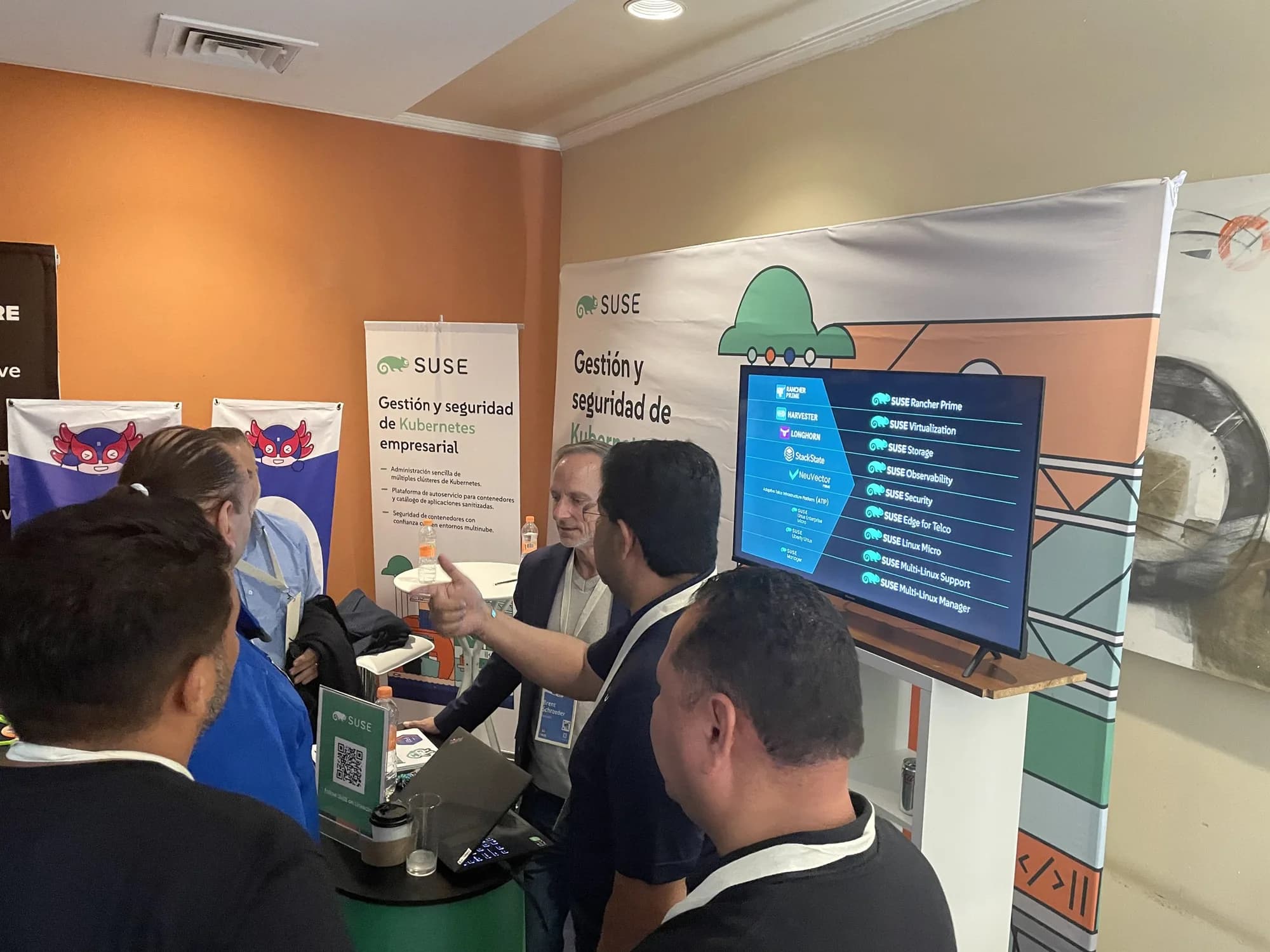
- Launch Nights: the product shown live, then demo stations so the room tries it the same night.
Measure during the event: workshop attendance (technical intent), demo interactions (tool evaluation), product questions (buying or usage readiness) and, above all, how many participants reached the "first real use" you defined.
After the event: the 30-day test
Adoption is decided after the event, when nobody from your team is in the room.
- Follow up within days with the people who built something, not with everyone who scanned a QR code.
- Offer the next step that matches where they stopped: docs, office hours, a community channel, more credits.
- Measure continued use at 30 days and compare it across events and formats.
The key metric is the developer activation rate: developers who reached first real use, divided by developers who attended your session.
Be honest about what you can measure today
Today most events give you check-ins, total attendees and virtual attendees. Product usage lives in your own analytics, and the link between "this developer was at our workshop" and "this developer deployed last week" is usually lost.
You can rebuild that link with simple tools: unique credit codes per event, a dedicated sign-up link per session, an opt-in at the workshop door. Connecting event participation with what happens afterwards is the layer we're building at TechBrander.
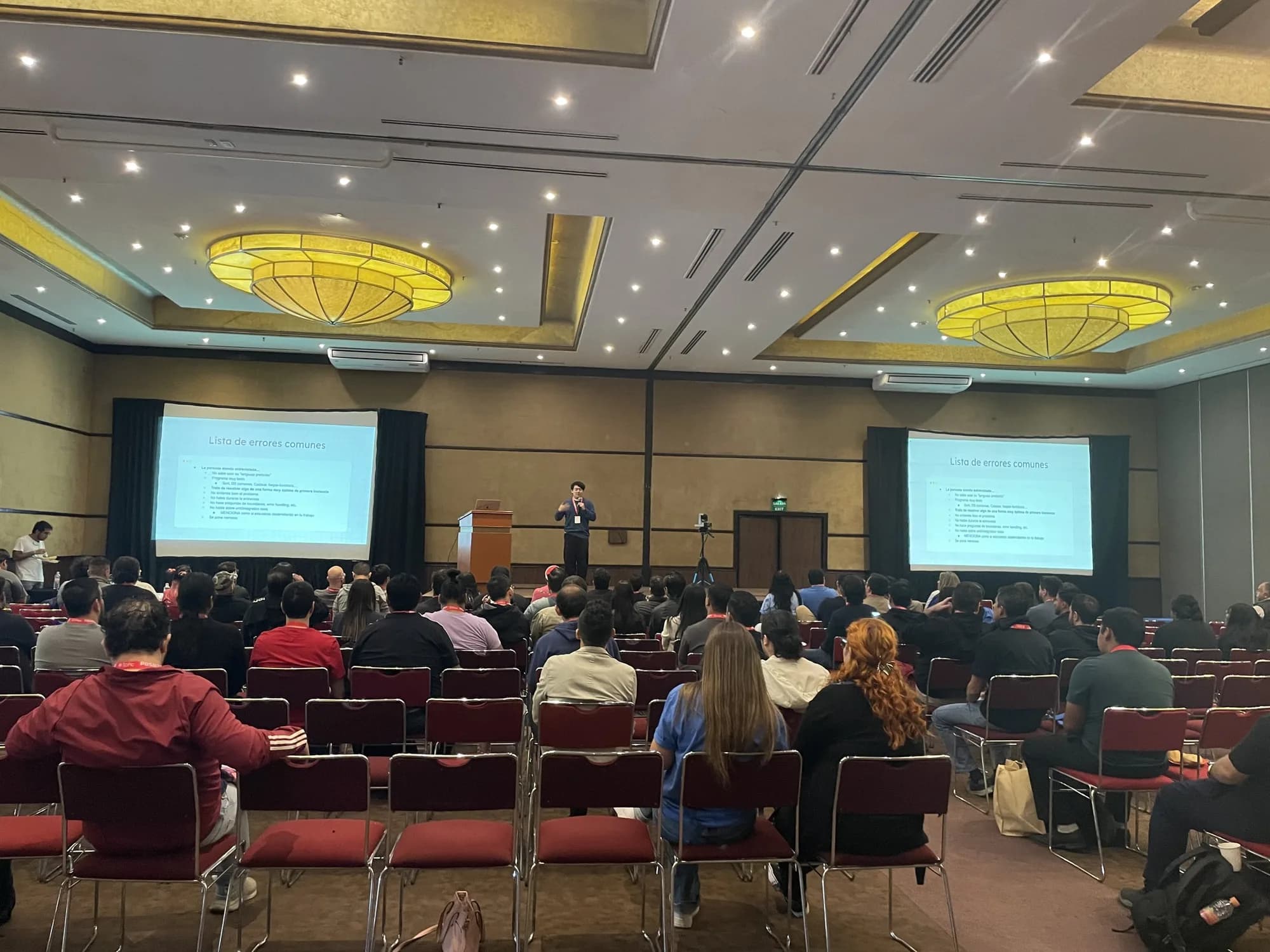
The mistake brands keep making
Brands show up to talk about their product instead of letting developers use it. Developers don't adopt a pitch. They adopt something that solved a problem for them in the room.
Frequently asked questions
How do you measure developer product adoption at an event? Track three steps: registration and setup before the event, first real use during it, and continued use 30 days later. The developer activation rate connects the first two.
Which event format drives the most developer adoption? Formats where developers build with the product: Builder Labs, hands-on workshops, hackathons whose challenge requires the product, and launch nights with demo stations.
Are sign-ups a good adoption metric? Only as the first step. Sign-ups without first real use and continued use are interest, not adoption.
Work with TB Experiences
Launching or growing a developer product in Mexico or LATAM? TB Experiences designs and produces Builder Labs, workshops and launch nights built around real usage. Book a call or download the TB Experiences brochure.
Related reading: How to measure event sponsorship ROI