How to measure event sponsorship ROI
Photos and headcount are not ROI. A practical framework to measure event sponsorship ROI at tech events: before, during and after the event.
Photos and headcount are not ROI.
A few years ago I was in the room for a hackathon sponsorship that cost a global tech company a five-figure budget. The goal was clear: meet and recruit senior engineers. The reality was different. The food arrived in bad shape, and the only senior engineers in the room were the mentors. Most participants were students.
The post-event report still called it a success. It counted attendees and shared great photos. Nobody could answer the only question that mattered: how many senior engineers did we actually talk to, and what happened next?
That gap is the most common reason event sponsorships get cut. Not because events don't work, but because nobody measured what they were bought for.
Start with the objective, not the booth
Sponsorship ROI only makes sense against one clear objective. The same booth can be a success for one goal and a waste for another.
- Talent branding. Qualified candidates engaged with your engineering brand. What to measure: target-profile attendees who interacted, opted-in follow-ups, applications.
- Developer relations. Developers who trust your team and come back. What to measure: session attendance, questions, repeat participation.
- Product adoption. Developers who try your product and keep using it. What to measure: sign-ups, first use, deploys, usage after 30 days.
- B2B demand generation. Conversations that turn into pipeline. What to measure: qualified conversations, meetings booked, opportunities.
If a sponsor can't say which of these it's buying, no report will ever prove ROI. If you work in developer relations, we go deeper in how to measure what DevRel builds.
Measure in three moments: before, during and after
Before the event
- Define the target profile in one sentence (for example: senior backend engineers in Mexico City).
- Ask the organizer for the expected audience mix: seniority, roles, in-person vs. virtual. If they can't share it, that's a signal.
- Decide what your brand will offer the audience: a talk, a workshop, a demo, a conversation with your engineers. Talking only about yourself is not an offer.
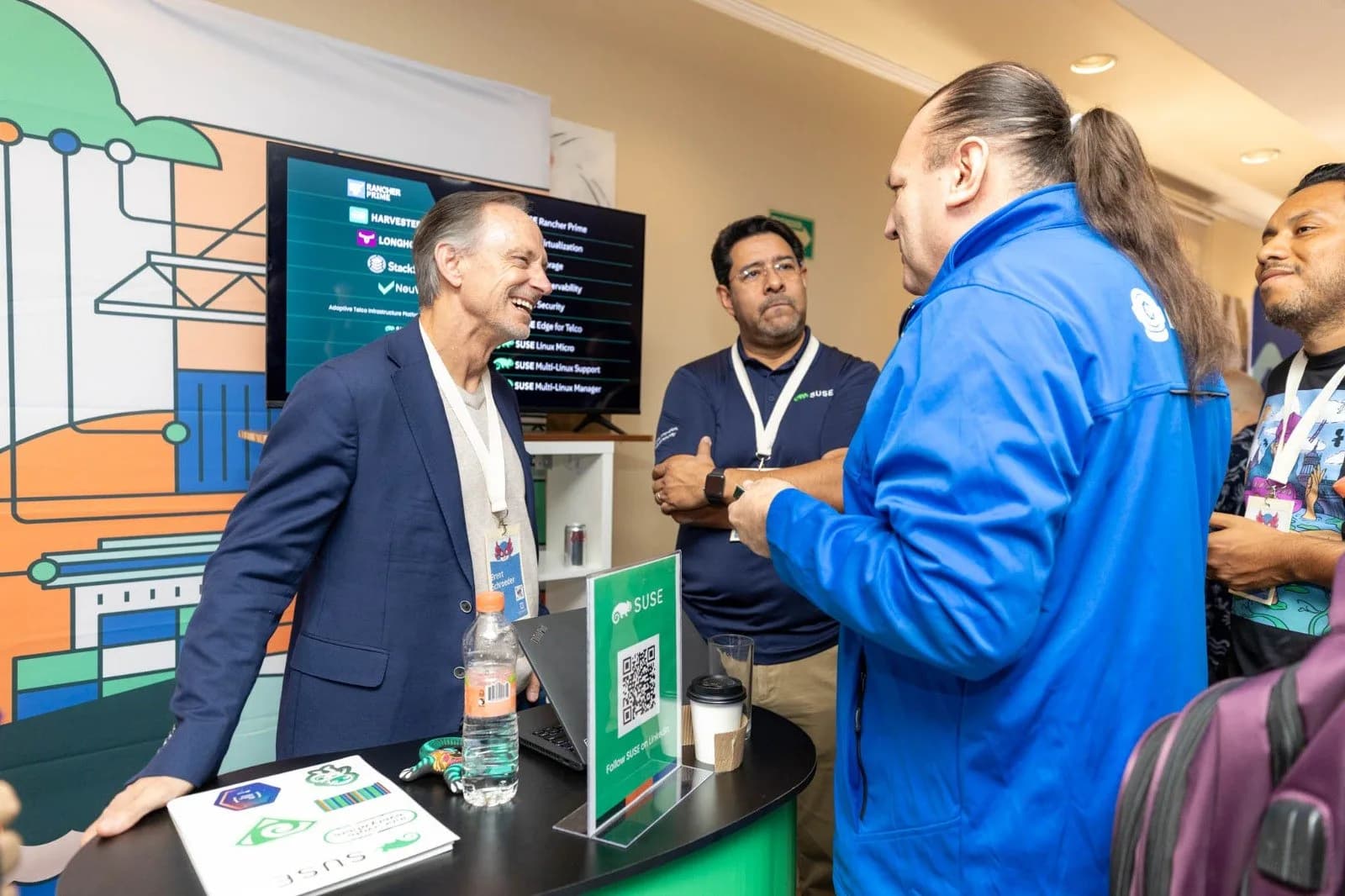
During the event Measure interactions, not just attendance. Each signal tells you something different:
- Workshop attendance: technical intent
- Demo interaction: tool evaluation
- Session topic affinity: specific interest
- QR scans: intent
- Resume submissions: hiring interest
- Community channel activity: active exploration
- Product questions: buying readiness
After the event
- Follow up only with people who asked for it, within days, not weeks.
- Track what happened next: meetings, applications, sign-ups, opportunities.
- Calculate the cost per qualified interaction (below).
The metric that replaces "number of attendees"
Headcount tells you how big the room was. It doesn't tell you whether your audience was in it.
A better baseline is the cost per qualified interaction:
Total sponsorship cost ÷ number of attendees who match your target profile and chose to interact with your brand.
It's simple, it's honest, and it forces the right conversation before the next sponsorship: are we paying for reach, or for the people we actually need?
What a useful post-event report looks like
For the hackathon above, the report that would have mattered was short:
- Only the senior profiles who attended.
- Which of the brand's proposals each one interacted with: the talk, the challenge, the conversation with the engineering team.
- A path to continue each conversation, for every participant who chose to.
Fewer numbers, more decisions. That is what lets a marketing or talent team defend the next budget.
Be honest about what you can measure today
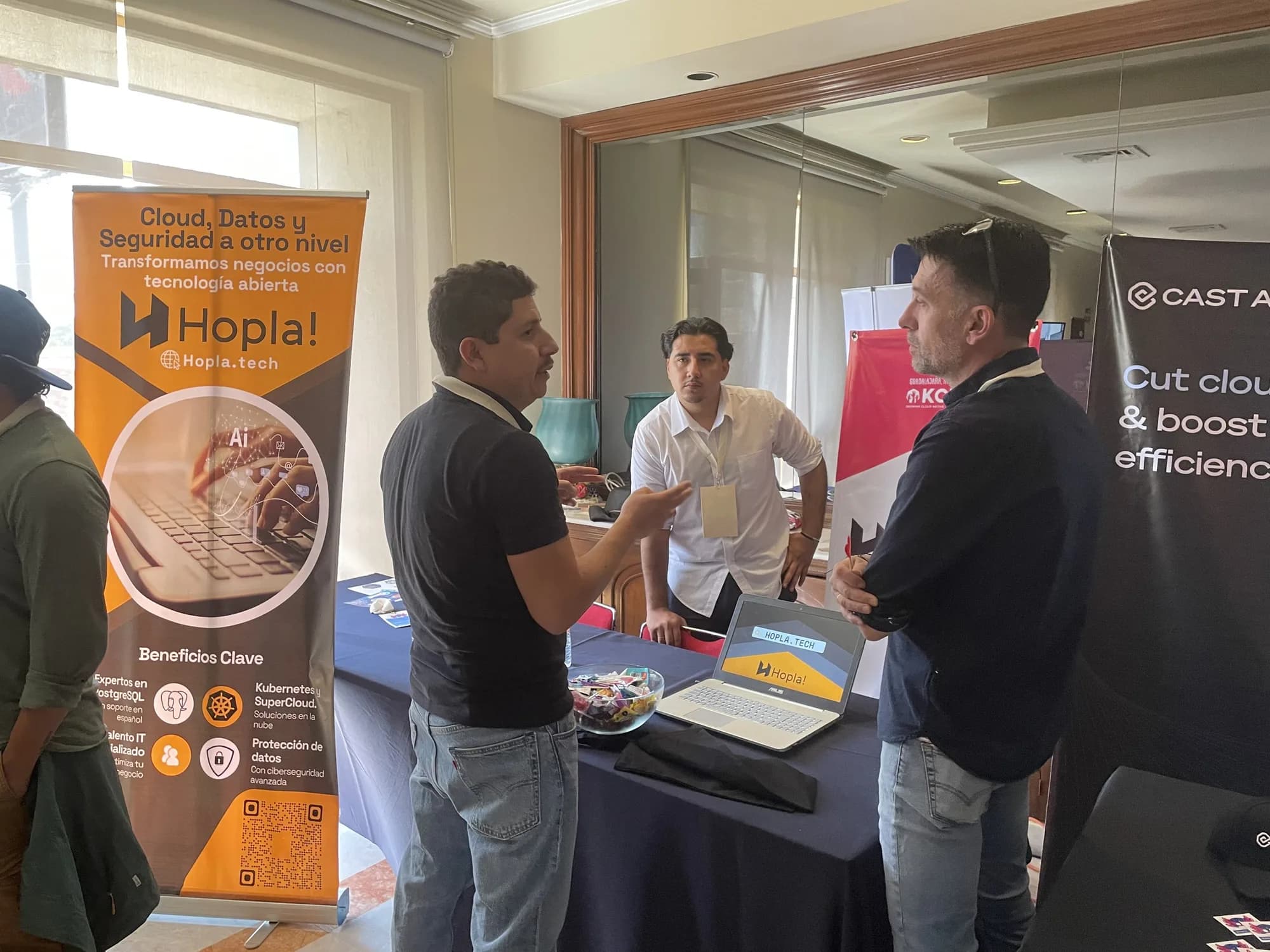
Today, most events can reliably give a sponsor three numbers: check-ins (for example, from Luma), total attendees and virtual attendees. Everything else, who stopped at your booth, which talk they cared about, who wants a follow-up, is rarely tracked and almost never connected after the event.
Ask for it anyway, and design the experience so interactions leave a trace: a QR code per session, an explicit opt-in to continue the conversation, a short form at the demo station. That missing layer is exactly what we're building at TechBrander.
The mistake brands keep making
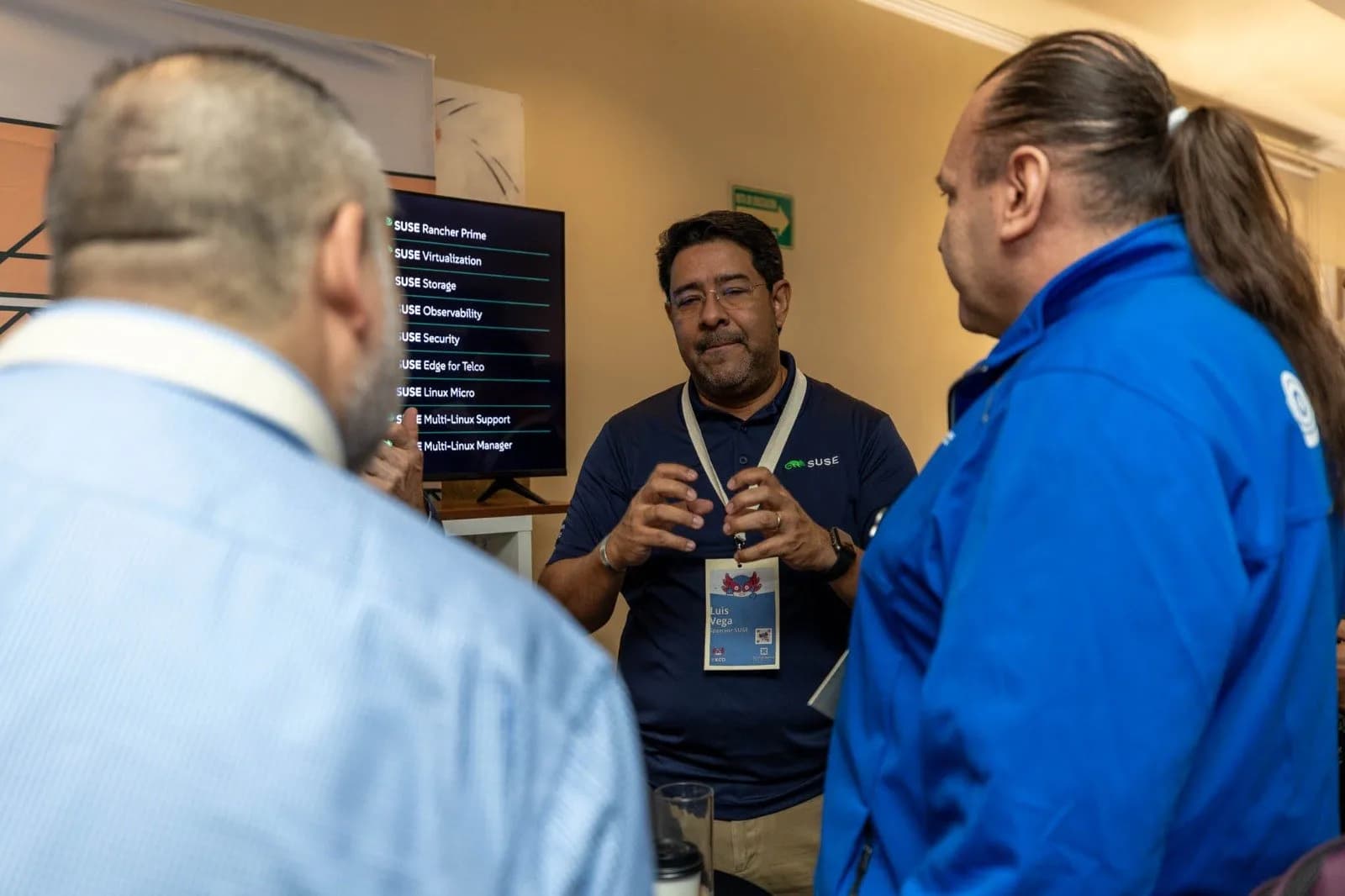
The most common mistake I see is brands showing up without a strategy and talking only about themselves, without treating their audience's preferences as the core of the tactic.
An event can be impressive and still need numbers to justify its ROI. Both things have to be true.
Frequently asked questions
How do you measure event sponsorship ROI? Start from one objective (talent, developer relations, product adoption or B2B demand), define your target profile, track interactions during the event and follow up afterwards. Then divide the total cost by the number of qualified interactions.
What is a good metric for tech event sponsorships? Cost per qualified interaction: the total sponsorship cost divided by the attendees who match your target profile and chose to engage with your brand.
What data can event organizers usually share with sponsors? Most can share check-ins, total attendees and virtual attendees. Ask for the audience mix by seniority and role before you sign, and plan your own interaction tracking for everything else.
Work with TB Experiences
Planning a sponsorship or your own tech event in Mexico? TB Experiences designs and produces tech events end to end, with the measurement plan defined before the event. Book a call or download the TB Experiences brochure.
Related reading: A tech community sponsorship prospectus that sells