

Developer Relations in Mexico: How to Measure What DevRel Builds
What developer relations is, how DevRel works with developer communities in Mexico, and a framework to measure adoption, not just attendance.
Developer relations teams are being asked a harder question every planning cycle: what did all of this produce? The workshops ran, the talks landed, the booth was busy. But when finance asks how many developers adopted the product because of it, most DevRel teams answer with attendance numbers and screenshots.
That gap is wider in Mexico and LATAM, where most DevRel programs are run remotely from the US, through a few events a year, with little local measurement. The communities are strong, the developers are engaged, and the impact is real. It is just invisible in the reports that decide next year's budget.
This guide covers what developer relations is, how it works with developer communities in Mexico, and how to measure it in a way that survives a budget conversation.
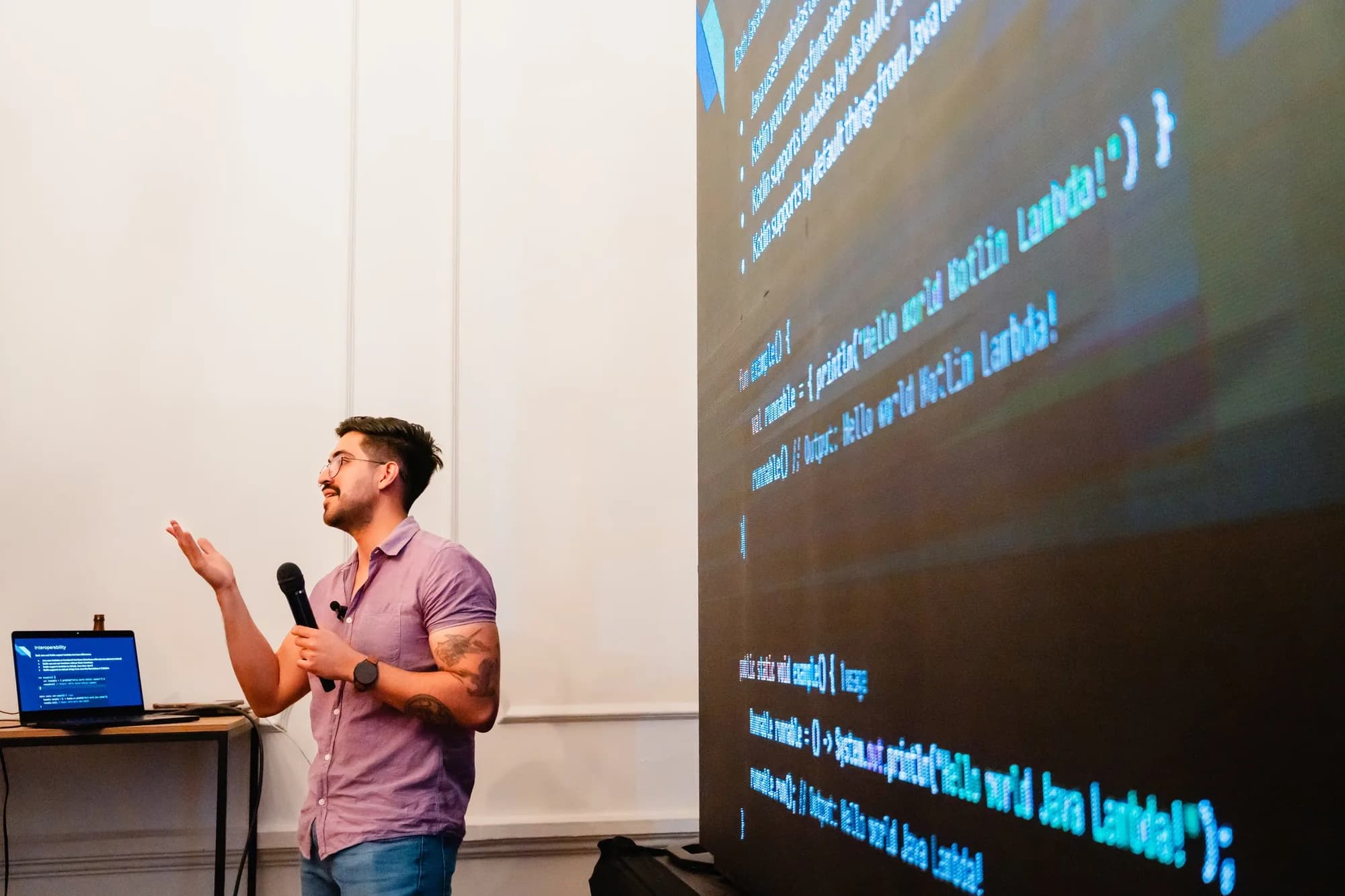
How DevRel works with developer communities in Mexico
Mexico has roughly 390,000 people working as software developers and analysts (Data México, Q1 2026), and a community layer that has been organizing for years. Groups and conferences like Posadev, JSConf México, GDG Guadalajara, GDL JUG and GDL DevComms are where many developers first try a new tool.
Three things change how DevRel works here. Trust runs through community organizers, so a workshop endorsed by a local group lands differently than one promoted by a vendor. In-person still matters: developers who meet your advocates at a meetup remember the product differently than those who only saw a webinar. And content in Spanish, or deliberately bilingual, removes friction that English-only docs and demos quietly create.
None of this is visible if the only metric is how many people came.
Why attendance is the wrong DevRel metric
Attendance, impressions and badge scans measure reach. They say nothing about whether a developer tried the product, got stuck, or built something with it.
The questions that matter to the business sit further down the funnel. How many developers created an account after the event? How many reached a first meaningful action, such as a first deploy, a first API call or a first project? How many were still active thirty and ninety days later? And what did it cost to get each of them there?
Most DevRel teams cannot answer those questions for LATAM, not because the data does not exist, but because nobody connected the event to the product data before the event happened.
A framework to measure developer relations
Measurement has to be designed before the event, not reconstructed after it. A simple framework has three layers.
Before: write a hypothesis. Which developers, which product action, and what number would make this worth repeating. Define every touchpoint you will capture and how each one connects to your product data, for example a dedicated sign-up link or credit code per event.
During: capture consented interactions at each touchpoint. Workshop check-ins, completed labs, questions asked, credits redeemed, follow-up opt-ins.
After: follow the same developers into the product at 7, 30 and 90 days. Report reach, activation and retention side by side, with the cost of each.
At TechBrander this is the logic behind DEBS™ (Developer Experience Behavioral System), which maps 18 touchpoints from first contact to sustained engagement. The same structure works for adoption, for hiring, or for both at once.
How we would measure a DevRel activation
Take a cloud product running a hands-on workshop at a community conference in Guadalajara, with the goal of growing active developers in Mexico. This is how we would set it up.
The hypothesis: senior backend and DevOps developers who complete a guided lab will deploy a real project within thirty days.
The funnel, defined before the event: workshop registrations and their seniority, lab completions, accounts created through the event link, first deploy within 7 days, active projects at 30 days, and active developers at 90 days.
The cost: total investment (sponsorship, workshop production, credits, travel and team time) divided by developers still active at 90 days. That number, compared against other acquisition channels, is what makes the next budget conversation easy.
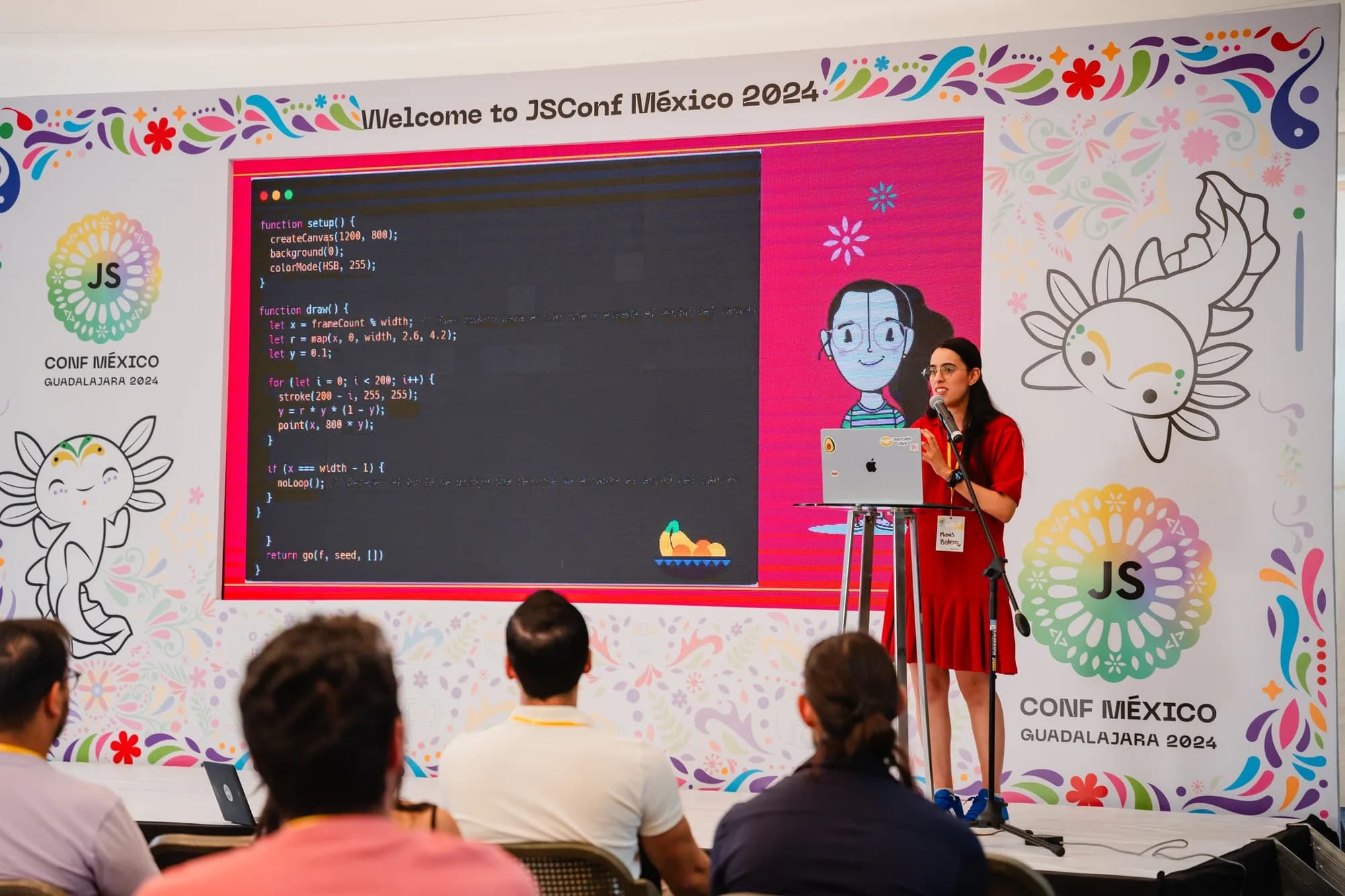
The same logic produced a concrete result on the hiring side: at JSConf México 2024, a designed activation led to 3 senior hires at USD 8,333 per hire, 67% below the client's benchmark. The full breakdown is in our cost per hire case study.

What to do next
If you lead developer relations for Mexico or LATAM, three decisions matter most before your 2027 plan is locked. Which product action defines success for this region. Which communities you will show up for consistently, not just once. And how each event connects to your product data before it happens.
TechBrander designs developer experiences with tech communities in Mexico and measures them from first touchpoint to adoption. If you are planning your DevRel program for 2027, book a call or visit techbrander.mx.