
Hire Software Developers in Mexico: Real Costs, Talent and Channels
How to hire software developers in Mexico: where the senior talent is, what a realistic cost per hire looks like, and which channels produce hires.
US tech leaders evaluating LATAM expansion in 2026 are running into the same set of questions. Where is the senior talent actually located? What does a realistic cost per hire look like? Which channels produce qualified candidates and which ones produce inflated pipelines that collapse at offer stage? However, most of the publicly available answers come from outsourcing agencies whose business model depends on a specific narrative. The honest math looks different.
As someone who has been helping US tech companies design hiring strategies in this region for years, here is the structural picture. Hiring software developers in Mexico is not about access to talent. The talent is here, in volume, and the quality is competitive. The real challenge is reaching the right profile at the right cost through the right channels. Those three decisions are where most US teams lose money or time.
What the Mexican developer talent pool actually looks like
The numbers worth working from are measured, not aspirational. Mexico has roughly 390,000 people working as software developers and analysts (Data México, Q1 2026), with the largest hubs in Mexico City, Guadalajara and Monterrey. Backend, full-stack, DevOps and data profiles are all represented. When US teams ask whether the senior talent exists, the answer is yes.
The bottleneck is not supply. The bottleneck is the channel mix that US teams default to.
The real cost benchmark for hiring software developers in Mexico
Most US tech companies build their cost model from two reference points: what their internal recruiting stack costs per closed hire (seats, tools and recruiter time), and what an agency charges per placement. For senior roles, the agency number is usually the one that ends up in the budget. In the case below, the client's benchmark was USD 25,000 per senior hire.
That math is not wrong. However, it ignores a third channel that performs materially better when it is designed for hiring from day one.
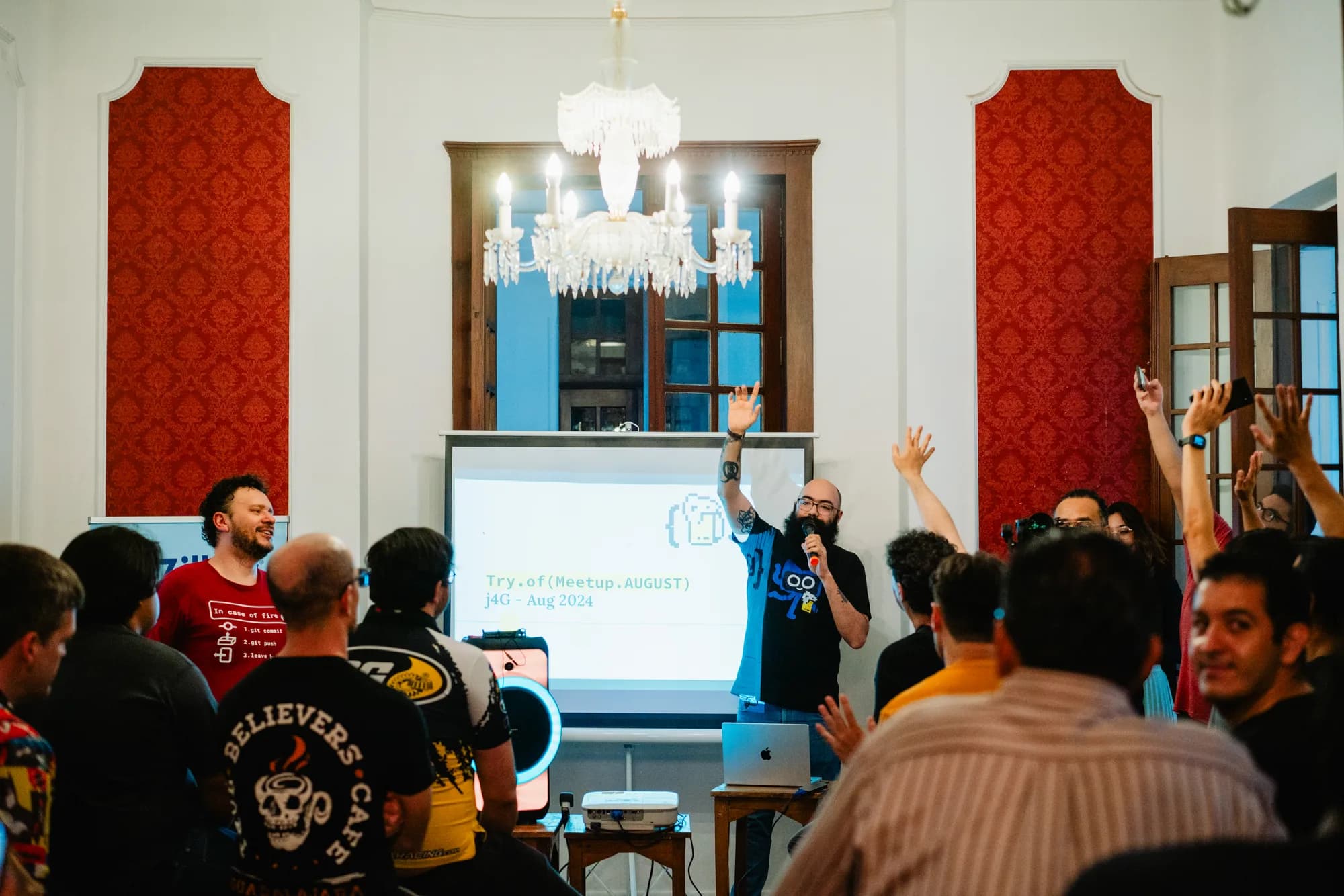
At JSConf México 2024 in Guadalajara, we designed a two-day activation for a US tech company: a Mario Kart tournament built as a screening funnel. The event had 350 attendees, 55% of them senior. The tournament produced 85 registrations, 15 technical screenings scheduled on site and 3 senior hires with distributed systems experience.
Total investment was USD 25,000 all-in: USD 11,000 Diamond sponsorship, USD 9,000 activation and USD 5,000 travel and logistics. That is USD 8,333 per hire, 67% below the client's USD 25,000 benchmark, and USD 50,000 saved across three hires. The full breakdown is in our cost per hire case study.
The point is not that one channel always wins. The point is that hiring software developers in Mexico has different economics than US teams assume.
Where the right channels are
Four channels carry most of the qualified pipeline when hiring software developers in Mexico. Their relative performance depends on the role profile.
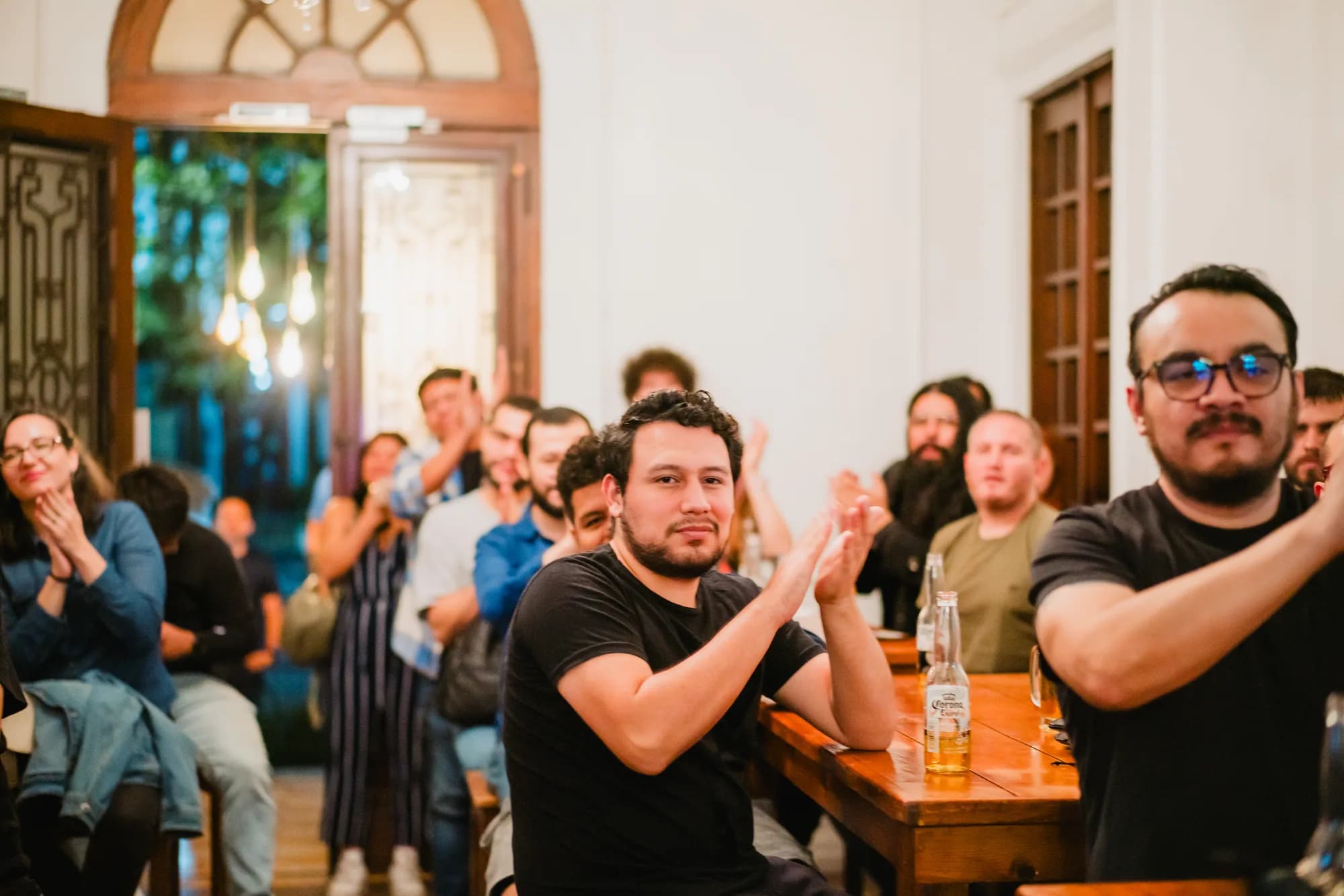
Community-led tech events are the channel US teams underweight most. According to Bizzabo's 2025 Events Benchmark Report, 78% of organizers say in-person events have unmatched impact in achieving organizational objectives. Communities like Posadev, JSConf México, GDG Guadalajara and GDL JUG concentrate senior developer attendance that LinkedIn campaigns cannot match.
Engineer-led referral networks compound over time. Mexican developers operate on dense trust networks, and a senior engineer who joined your company eighteen months ago is a referral channel worth more than any paid media spend. By contrast, recruiter-led cold outreach tends to underperform in this market because the cultural code rewards introductions over interruptions.
Hackathons and developer competitions filter for the seniority profile most US teams need. Participation requires both technical depth and willingness to spend a weekend on something hard. Both signals point to senior-level talent.
Bilingual employer branding content produces compounding inbound interest. Engineers who follow your engineering blog or attend your sponsored events over twelve months tend to convert better than cold candidates, and that difference is measurable if you track it. We detail this in our employer branding for tech companies in Mexico framework.
What US teams should stop doing
Three patterns burn budget without producing pipeline.
First, paid LinkedIn campaigns translated from English to Spanish. The translation is rarely the issue. The cultural context is. US-style recruiting messaging reads as transactional in this market and gets ignored by the seniors you want.
Second, exclusive reliance on outsourcing agencies that offer talent as a commodity. Senior developers in Mexico increasingly resist being placed by agencies they do not respect. Therefore, the talent that accepts agency placement skews toward mid-level, not the senior profile most US teams claim to need.
Third, one-off event sponsorships designed for brand awareness rather than hiring outcomes. Without measurement built into the activation, the post-event report becomes slides of attendee photos. The hiring conversion never gets attributed back to the event.
What to do next
If you are scoping how to hire software developers in Mexico for the coming year, three decisions matter most. First, define the cost per hire benchmark you will measure against, not the one inherited from US-only contexts. Second, decide what share of your LATAM talent budget goes to community-led channels, and hold it to the same metric as paid media. Third, build measurement into every channel upstream so you can compare performance defensibly at the end of the year.
That is the work TechBrander is built around: developer experiences designed for hiring at the events where senior engineers already are, measured from first touchpoint to closed hire.
If you are modeling cost per hire in Mexico for 2027, book a call or visit techbrander.mx.